


Traditionally associated with students, busy professionals and older adults seeking cognitive support, nootropics are increasingly being incorporated into sports formulations—particularly pre-workouts—reflecting the growing understanding that focus, reaction time, clarity and stress resilience play just an important role in athletic performance as physical strength.
Popular nootropic ingredients include caffeine, creatine, DHA, L-theanine and ashwagandha, according to a recent survey of 152 physically active U.S. adults published in the Journal of Dietary Supplements. Others frequently appearing in sports formulations include citicoline, Rhodiola rosea and mushrooms such as lion’s mane, cordyceps and reishi.
This aligns with data from market research firm SPINS, which shows that while caffeine remains the anchor (with sales growing by 25% last year), mushrooms (+11%), ashwagandha (+77%), green coffee extract (+313%), L-theanine (+20%) and tyrosine (+46%) are all growing quickly.
Many consumers are also looking for caffeine alternatives for mental energy, according to Rahul Roy, senior retail insights manager for SPINS, who flagged paraxanthine as an emerging substitute, delivering comparable alertness and focus with less jitters, crash and overstimulation.
“Brands are responding by moving away from ‘more caffeine’ toward balanced stimulant and non-stimulant focus stacks, expanding into every day-use formats beyond powders and positioning products around mental stamina, calm energy and repeatable performance, aligning with how today’s athletes are training more frequently and across more occasions,” he said.
How are nootropics performing in the sports nutrition category?
Innova data provided by ingredient supplier PLT Health Solutions reports that there were 4,637 sports nutrition product launches between 2020 and 2025 featuring mental or cognitive positioning or claims.
This shift is fueling considerable growth within North America in particular, according to Mintel data, which shows that the percentage of U.S. performance nutrition launches with a brain and cognitive health claim rose from 11% in 2016 to 17% in 2026.
However, consumer awareness of the term ‘nootropic’ is still relatively low, according to Sophia Cornelius, senior specialized nutrition analyst at Mintel.
“Though terms like ‘nootropic’ are trendy, they are not as well understood as more standard claims linked to brain and cognitive health,” she explained. “Hence, brands wishing to cater to consumer interest in traditional and esport launches with brain and cognitive health benefits may use more standard messaging on pack.”
The term ‘nootropic’ refers to any ingredient— synthetic or natural—that can improve cognitive functions, such as memory and focus. While mechanisms vary, stimulants such as caffeine work by blocking adenosine, which acts as an inhibitory neurotransmitter to promote sleep, while adaptogens (like ashwagandha and rhodiola) reduce cortisol, thereby decreasing mental fatigue.
As the body of scientific research for these ingredients grows, so does the sales opportunity, with the global nootropics market predicted to reach $11.5 billion in 2033, up from $5.5 billion in 2025, according to Grand View Research.
“This momentum is unfolding within a performance nutrition category that continues to grow overall, with total performance nutrition up by 10%, led by energy drinks (+14%), hydration and electrolytes (+29%) and pre-workout (+5%),” Roy said. “While shoppers may not always be searching for the term “nootropic,” the growth reflects a rising demand for cognitive readiness as part of training and recovery, particularly in RTD, hydration and pre-workout formats, where mental energy and consistency matter as much as physical output.”
In 2025, Mintel reported the top functional ingredients in nootropic launches to be caffeine, L-theanine, B vitamins, taurine, ginkgo biloba, green coffee extract, guarana, ginseng and L-citrulline. In total, North America accounted for 42% of all nootropic sports nutrition product launches last year, making it the most active region in exploring these ingredients within sports and functional nutrition.
“The link between caffeine and mental energy is well established, hence its dominance in nootropic launches,” Cornelius said. “The prevalence of natural sources of caffeine, like green coffee extract and guarana, links to consumer interest in ingredients with natural, functional health benefits. Ingredients like ginseng are often used for cognitive stamina, without the side-effects of caffeine, and amino acids, including taurine and L-theanine, are both linked to aspects of brain and cognitive support.”
Nutrition drinks dominated on-pack nootropic claims, accounting for 76% of launches, followed by sports and energy drinks at 18%, Cornelius added.
Which sports nutrition brands are launching nootropic supplements?
The rate at which supplement brands are incorporating nootropic ingredients into sports nutrition formulas is evident in recent product launches.
In the electrolyte category, Californian supplement brand DryWater recently launched a cellular hydration solution with electrolytes, vitamins, minerals and organic fruit ingredients designed to support cognition, energy, mood and performance. On the other side of the pond, UK-based brand Heights introduced Hydrate, an electrolyte formula with citicoline to keep active consumers physically and mentally energized.

“This hydration product has been in the making for five years,” said Dan Murray, co-founder of Heights. “We wanted electrolytes with a specific brain focused angle to be taken daily by everyday active consumers.”
Touted for its ability to boost focus, attention and memory, citicoline is quickly gaining traction in performance drinks and other nootropic formulations. In fact, Mintel’s latest functional ingredients report named Cognizin, a branded form of citicoline supplied by Kyowa Hakko, as an ingredient to watch in 2026.
Cognizin is included in more than 200 products globally. It is a flagship ingredient in Neutonic’s Productivity Drink, Focus Blend and Brain Capsules (alongside other cognitive enhancers such as Rhodiola rosea, L-theanine, Panax ginseng and B vitamins) and features in 16 RYSE Supplements products, primarily pre-workout powders.
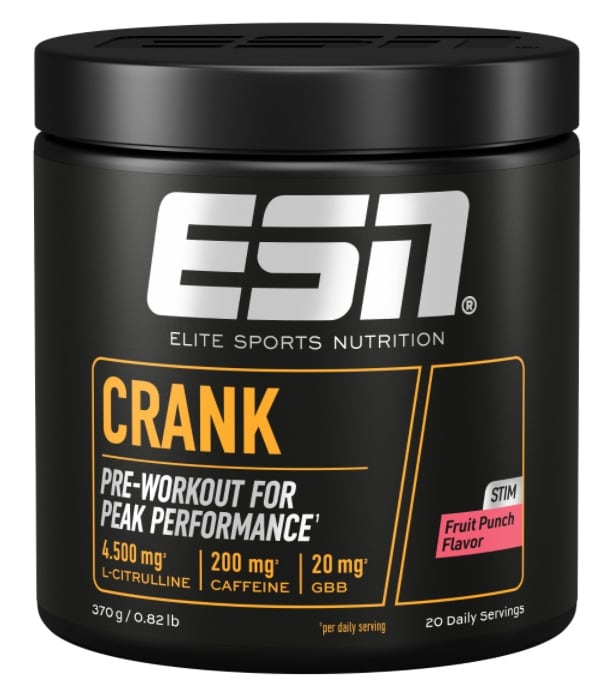
Pre-workout formulations are a popular way for sports nutrition brands to incorporate nootropic ingredients. For example, Optimum Nutrition’s pre-workout Amped contains a nootropic blend of spearmint extract (Neumentix) and caffeine, while ESN’s 3-in-1 pre-workout formula Crank includes caffeine, L-citrulline, L-arginine, beta-alanine and theobromine for ‘drive, focus and pump’.
Cornelius noted that these products are often positioned not only for traditional athletes but also for the gaming community.
“Desire for nootropic claims, or those linked to mental and cognitive support, extends beyond traditional physical sport and activity,” she said. “The popularity of esports represents an opportunity for nutrition producers, as products that deliver sustained focus, improved reflex response and mental endurance could appeal to participants.”
For instance, sports supplement manufacturer and retailer Tsunami Nutrition sells a ‘Gaming Pack’, complete with caffeine, vision and brain focus supplements, with the latter containing Cognizin and Zynamite, a branded mango leaf extract supplied from PLT Health Solutions.
Other popular branded ingredients supplied by PLT include Zembrin (Sceletium tortuosum extract), Rhodiolife (Rhodiola rosea extract) and Nutricog (Terminalia chebula and Boswellia serrata). In fact, PLT reports that nearly 150 sports nutrition consumer products contain one of their branded ingredients for cognitive health.
Above all, however, supplement consumers are looking for convenience, according to Innova Market Insights’ most recent supplement trends report. As a result, new and emerging formats such as ‘performance pouches’ are quickly gaining traction among athletes and gamers.
According to Ultra, a functional pouch brand that sold one million tubs in its first six months of launching, oral pouches are emerging as one of the fastest-growing CPG categories. Ultra has also recently raised $11 million in funding to expand and scale the business, demonstrating a significant level of investor interest.
While Ultra markets its pouches—which contain paraxanthine (enfinity), L-theanine and ginseng—to ‘top performers’ who need a ‘tactical boost’, other brands like Belter describe its caffeine pouches as a ‘go-to for athletes’. Boxing legend Mike Tyson is also a brand ambassador for the performance pouch brand LF*Go.
Nootropics for sports performance: What the science says
The rise of performance pouches is unsurprising given that caffeine is one of the most well-researched ingredients for mental performance. Commonly taken by endurance, sports and strength athletes, pre-exercise caffeine consumption has consistently been shown to improve energy levels and enhance cognitive function, attention and vigilance.
“Caffeine improves reaction time, accuracy and processing speed in sport-relevant tasks, with effects most consistently seen with low to moderate doses ingested ~1 hour before activity,” said Dr. Ralf Jäger, a co-founding partner of global independent consulting firm Increnovo LLC and a postdoctoral scholar in bio-organic chemistry.
However, studies assessing exercise performance after caffeine/placebo ingestion have found that caffeine does not improve performance in around one third of individuals.
“The efficacy of caffeine has been linked to genetics,” Dr. Jäger said. “Fast metabolizers of caffeine usually see optimal benefits from caffeine supplementation, while slow metabolizers see limited benefits and increased side effects, such as insomnia.”
Caffeine can also cause jitteriness, increased heart rate, headaches and gastrointestinal issues (nausea and/or diarrhea). This has pushed some athletes to add other ingredients to their supplement stacks to mediate caffeine’s negative effects.
L-theanine is one such ingredient, known for its ability to promote a calm but alert mental state. When taken in combination with caffeine, L-theanine has been shown to enhance both physical and cognitive performance and reduce the adverse side effects commonly associated with caffeine consumption, particularly anxiety and tachycardia.
Post-workout, L-theanine has been shown to accelerate mental regeneration, measured by EEG alpha-wave recovery, without affecting the body’s natural hormonal or cardiovascular recovery responses.
“Our research shows that intense exercise stimulates the brain and can delay relaxation and sleep onset, especially after late-evening training or competition,” Dr. Jäger said. “Supplementation with L-theanine helps the brain unwind more quickly, within just 30 minutes, supporting faster relaxation, better sleep and the restorative recovery athletes need to perform again the next day.”
Another botanical ingredient commonly used by athletes and sportspeople to promote both mental and physical recovery is ashwagandha. Its growing profile in sports was underscored in November when FC Barcelona striker Robert Lewandowski became a global brand ambassador for KSM-66 Ashwagandha.

“Several clinical trials report that ashwagandha supplementation can improve sleep quality, reduce non-restorative sleep symptoms and enhance subjective sleep outcomes compared with placebo,” Dr. Jäger said. “Acute supplementation with 400 mg of ashwagandha extract has been shown to enhance selected measures of executive function, including sustained attention and working memory, preventing mental fatigue for several hours post-dose.”
KSM-66 Ashwagandha specifically is backed by over 70 clinical studies investigating its efficacy in athletic performance, stress management and cognitive function. Other branded ingredients such as Zynamite have been shown to improve reaction time and focus in several clinical trials, while Cognizin has been shown to enhance memory, motor speed and brain energy metabolism.
Creatine is also increasingly researched for its potential cognitive enhancing properties. Listed as the second most popular nootropic ingredient among athletes in the survey published in the Journal of Dietary Supplements, creatine was also the ingredient reported to be taken at the highest dose.
This may reflect an attempt to consume high enough doses so that creatine can cross the blood-brain barrier, with research suggesting that around 20 g of creatine per day may yield increases in creatine levels in the brain over periods of several weeks. However, Dr. Jäger emphasizes that no optimal dosing strategy for maximizing brain creatine has been established.
“For active populations, creatine may support cognitive performance when the brain is under stress, such as sleep deprivation, hypoxia or demanding mental workloads, rather than acting as a universal nootropic,” he explained. “While brain creatine levels are reduced following mild traumatic brain injury, no preventive human studies have yet examined whether creatine supplementation offers protective effects.”


