


The business, which opened its doors on Jan. 1, reflects Bass’s decades-long role in shaping the modern dietary supplement category, from co‑drafting DSHEA to advising global regulators and multinational OTC, Rx and supplement companies. His new venture seeks to address what he describes as a rapidly shifting and increasingly complex marketplace—one that demands fresh thinking, new structures and more efficient ways of resolving conflict.
A new model for avoiding litigation before it starts
Speaking exclusively to NutraIngredients recently, Bass explained that his Life Sciences Dispute Review Board Initiative has been developed over two and a half years under the auspices of the International Center for Dispute Resolution (ICDR), the global arm of the American Arbitration Association.
This dispute‑review board (DRB) concept is simple but disruptive, he said. Essentially, the moment two companies sign a contract—whether for supply, joint R&D, licensing, M&A or marketing—they simultaneously appoint an independent board of one to three experts to stay current on the relationship and intervene at the first sign of conflict.
Instead of entrenched legal positions or million‑dollar disputes, the board steps in early and issues nonbinding recommendations within 30 days.
“You keep them up to date and instead of waiting for a conflict to ripen where both sides dig trenches, hire lawyers, spend literally millions of dollars on legal fees, you have a board who knows the industry and says, ‘OK, wait, you don’t have to have a big fight, don’t hire lawyers, just tell me the information. I’ll give you a recommendation’. So instead of going through years of litigation and discovery, you just have it addressed early by a neutral party,” Bass said.
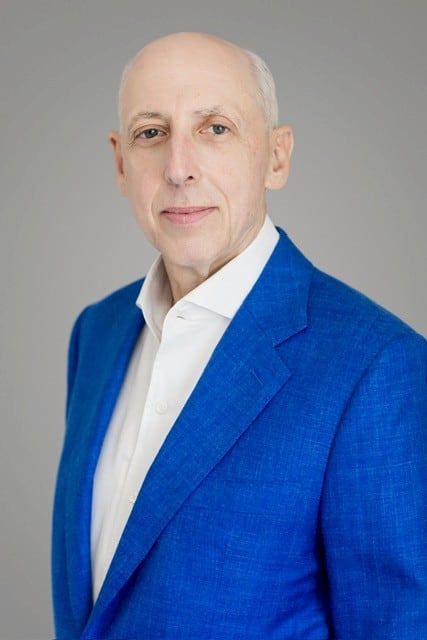
Disputes in dietary supplements and functional foods often stem from avoidable issues, he said, including GMP disagreements, undisclosed subcontractors, IP boundaries around ingredient licensing, differing views on safety reporting, or quality‑control friction between partners. Many of these fights balloon into expensive arbitration or litigation simply because they were not addressed early by a credible, neutral third party.
“This grows out of something that’s been in place for at least 20 years in the construction industry, but the problem in construction dispute boards is that, first of all, a lot of them are mandatory, so they’re mini arbitration,” Bass said. “Second, they have all these long rules. Some of them could have 20 pages of rules. What we’re proposing here is a 2-to-2.5 page clause in a contract. That’s it. And then an agreement, and the ICDR will have model agreements, which are only 2 to 4 pages long.”
Bass added that his model is intentionally streamlined with low fixed fees rather than hourly billing and industry experts instead of generalist arbitrators. Clients can choose from a vetted roster of regulatory experts, former executives, attorneys and industry veterans, or choose their own experts. His model also includes voluntary recommendations, which preserves the option for later arbitration.
High‑level strategy: Rethinking pathways for supplements, functional foods and self‑care
Alongside dispute resolution, Bass is launching a strategic advisory practice addressing what he sees as an urgent need for new commercial and regulatory pathways in the $200‑billion global self‑care market.
Drawing on work with governments in China, Singapore, Europe and the United States, as well as years advising top supplement and OTC trade bodies, Bass highlighted what he sees as several strategic gaps and opportunities, including:
1. New regulatory routes beyond traditional supplement categories
With the U.S. “special dietary food” category largely evaporated and medical foods stuck in outdated 1970s definitions (“medical foods have to be totally revamped,” he said), companies are left choosing between imperfect options—dietary supplement, OTC drug or functional food.
Bass argued that there is room for creative quasi‑regulatory pathways to embrace a broader self-care playing field, including models that may support reimbursement or enhanced claims, provided companies invest in robust science.
2. Global positioning for functional ingredients
His prior work in the United States and European Union demonstrated how ingredient companies can reposition products across jurisdictions—sometimes as functional foods, sometimes as OTC‑adjacent products—depending on market structure and scientific substantiation.
3. A need to modernize claims frameworks
The core U.S. claims standard (201(g)(1)(C)), modified slightly in DSHEA in 1994, is built on statutes from 1938 and 1962, Bass noted.
“The old claims structure is antiquated,” he said. “We’re in a new world. I think we need to capture creative thinking and companies willing to invest in good science.”
4. Self‑GRAS and ingredient vetting
Bass also said that many self‑GRAS evaluations currently in the market are inadequate—and will require more scrutiny from regulators and responsible brands. (Bass has long been a critic of the self-GRAS option, including in this 2019 paper in the New England Journal of Medicine). A proper scientific self-regulatory group, first attempted in the late 1990s, may be an answer.
“I think there are many opportunities to shake things up, and I’m very excited,” he said.
‘It’s time to view the global landscape through a new prism’
Bass is explicit: The industry needs restructuring. His hope is that neutral facilitation and strategic clarity can reduce litigation, improve collaboration and help companies navigate the increasingly blurred boundaries between supplements, OTCs, functional foods and technology-enabled self‑care.
“I think it’s time to shake things up, I really do,” he said. “I think the 35-year old pathways in the United States on how we approach legislative issues, the way that companies look at the various playing fields, this whole self-GRAS thing that we have to look at pragmatically, I think it’s time to really inject a new prism.”


