


Protein is currently dominating India’s nutrition sector. From protein powder, protein bars, to protein ice cream and protein flour, different formats of protein foods can be found on shelves.
ITC Foods is one of the FMCG companies competing in the country’s booming protein sector, with protein bars and protein shakes forming its portfolio.
Although new protein brands and products are being introduced every other day, there are still plenty of opportunities to grow in India’s protein sector, Dr. Shantanu Das, vice president and head of Food Sciences, told NutraIngredients.
One of the reasons is the lack of adequate and quality protein in the typical Indian diet.
“While there has been considerable growth in consumer awareness of protein, its intake in India is still predominantly cereal-based and lacks protein from diverse food groups,” he said.
According to the Household Consumption Expenditure Survey: 2022-23 & 2023-24 released last year, cereal was the most important source of protein among the five food groups of cereals, pulses, milk & milk products, egg/fish/meat, and other food.
Between 2023 and 2024, about 45.9% of Indians from the rural areas consumed cereal as a source of protein and this was the case for 38.7% of Indians living in urban areas. Only 12.9% of Indians living in the urban areas consumed milk and milk proteins for protein and this was 11% for those living in the rural areas.
On the other hand, the average protein intake per capita per day had increased from 58.8 grams to 63.4 grams in the urban areas and from 59.3 grams to 61.8 grams in the rural areas.
The recommended protein requirements for Indians 2020 state that individuals consuming a cereal-based diet with low-quality protein should consume one gram of protein per kilogram of body weight per day. Otherwise, the Recommended Dietary Allowance (RDA) is 54 grams for men weighing 65kg and 45.7 grams for women weighing 55kg.
Understanding of protein and its benefits
At the same time, Dr. Shantanu notices that the general public in India still does not have a complete understanding of protein and its benefits, and mostly links protein to athletes and sports.
“Many people still think of protein as mainly for children, athletes, or those who are performance-oriented, not as necessary for a healthy immune system, metabolic functions, and tissue repair,” he said.
To incorporate protein into daily life, the company is thus adding protein into different food forms, including flour for making rotis.

Yoga Bar, a brand it acquired in 2023, also counts high-protein mini treats and whey-based and plant protein powders as its portfolio, where the amount of protein ranges from 5g to 10g and 20g per serve. This is to cater to diverse consumer needs across consumption occasions, said Dr. Shantanu.

Other products launched include Sunfeast Breakfast Smoothie, which contains 6g of protein per serve for on-the-go consumption.
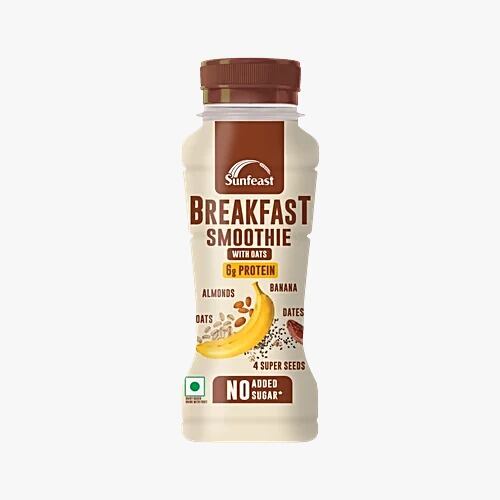
Building on the momentum, the company also launched Right Shift - a portfolio specifically curated for consumers who are in their forties.
“As people live longer, maintaining muscle strength, metabolic health, and overall vitality becomes central to healthy ageing, especially as people start facing natural changes in metabolism, muscle mass, and digestion,” said Dr. Shantanu. “Right Shift, leveraged familiar daily formats that consumers already enjoy, such as enriching oats with quality protein at 23g per 100g, fiber at 11g per 100g, iron, magnesium, zinc & B vitamins. Other protein-rich products include snacks, cookies, which consumers can enjoy.”
Introducing protein in familiar food formats is crucial as this could help improve uptake.
“Rather than asking consumers to change their dietary habits, we are enriching the food products consumers already use,” said Dr. Shantanu. “We see a major opportunity to help consumers obtain adequate protein through food by enhancing consumer awareness on the importance of protein and addressing barriers to consuming protein through diverse food sources.”


