


Founded by former lawyer Vanessa Hutchinson in 2019, Fodbods focuses on formulating protein products that are gentle on the gut by being low in FODMAP, which refers to “Fermentable Oligo-saccharides, Di-saccharides, Mono-saccharides and Polyols”. The products are also certified low in FODMAP by Monash University.
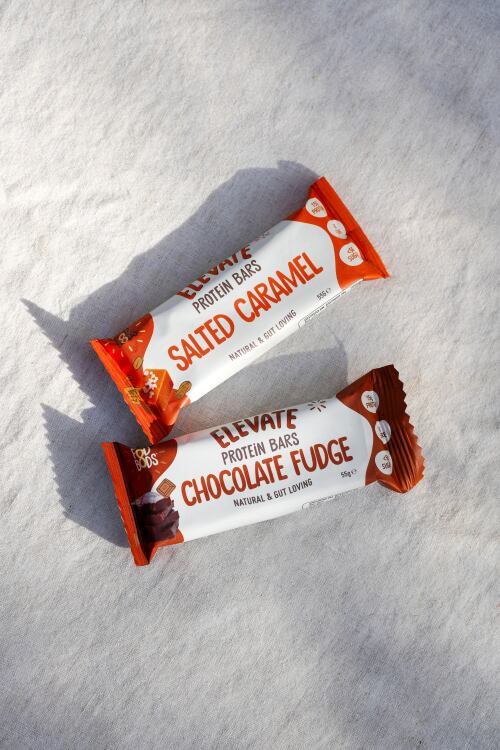
Last month, the company launched new plant protein powder products under the Elevate range. Earlier this year, the company launched protein bars as part of this selection.
Speaking to NutraIngredients, Hutchinson said that the new Elevate range was geared towards protein for physical performance and being gut-friendly.
For example, every 30 grams of protein powder contains 20 grams of plant protein and over 3 grams of fiber.
The protein comes from sources such as smooth pea, organic sprouted and fermented pea, organic rice, organic chia seed and organic pumpkin seed, while organic green banana resistant starch, pea fiber, acacia fiber and guar gum are added to improve digestion.
The Elevate protein bars, on the other hand, contain over 15 grams of protein and over 8 grams of fiber, with less than 5 grams of sugar.
This is an upgrade from the brand’s previous launches, where the protein bars are positioned for snacking.
“The purpose of the Elevate range is to boost performance and improve gut health, as such, there’s a higher amount of protein, lower sugar and a range of gut-friendly fibers.”
Why is protein in trend?
The launch of the new range comes on the back of a growing functional protein market in Australia. Another Australian company, Elixinol, for example, is banking on protein water for growth. Elsewhere in India, protein is also in trend, and has attracted the interest of various FMCG companies like Marico, Amul Dairy and Hindustan Unilever.
“There is an explosion of the protein trend across every category; manufacturers are putting protein into every product that they have. There are protein yogurts, granola, bread and everything is about protein now,” Hutchinson said.
The biggest driving factor, she said, was how protein, when paired with fiber, could help control appetite.
“I think the biggest trend that I’m seeing and is coming to fruition now, is the combination of protein and fiber. Together, they have the GLP-1 effect of reducing appetite.”
Increasing protein intake has also become another trend among women going through perimenopause and menopause.
This is because doing so can help with weight management during this period when weight gain is more likely, she pointed out.
“Women around that age are encouraged to eat more protein. There’s research showing how increasing protein as part of the diet can reduce weight gain during menopause, because that is when women often put on weight and they are encouraged to eat more protein and combine it with strength training,” she said.
However, it is also a common time that women start experiencing gut issues for the first time because of the change in hormones.
“While women at this stage are being told to increase their protein intake, they might also be experiencing gut issues such as irritable bowel syndrome (IBS). This makes our protein bars and protein powder, which are also high in fiber, popular among this demographic.”
Webinar: Protein for the niche and mass market
From protein powder to protein water and even protein ice-cream, the protein nutrition landscape is changing rapidly across Asia-Pacific.
In India, FMCG companies are starting to add protein into their functional food products or acquiring start-ups specializing in protein supplements, as seen in the case of Marico’s purchase of Cosmix and Hindustan Unilever’s full acquisition of OZiva.
Elsewhere in North Asia, China’s BYHEALTH has recently upgraded its flagship protein powder with a higher protein content to meet growing consumer needs.
This webinar will explore factors driving protein uptake across major APAC markets, new innovations and opportunities for future growth.
Don't miss out this webinar, register for free now! The webinar is available on-demand for three months.
Date: May 21 (Thurs)
Time: 3pm SGT
The quest
Hutchinson, who also suffers from IBS, started her business in gut-friendly protein products after noticing a market gap.
“Most protein bars that I have come across in the market are made from artificial ingredients with long ingredient lists. Even the natural protein bars contain ingredients like inulin, chicory root fiber, which are common causes of IBS, as well as dates, honey or cashew nuts, which are also high in FODMAP,” she said. “That’s when I realized a huge gap in the market for all-natural protein that is gut-friendly that does not use fillers and additives, as these can cause gut issues.”
While protein is core, the brand will continue to explore how protein can work synergistically with other ingredients while remaining gut-friendly.
“We’ll be focusing on protein, but not just protein in itself. It would need to be combined with other functional elements. There is the opportunity to bring in other products in the future, different ranges that supplement gut health, because gut health is core to our brand and protein is how we facilitate that.”
The products are sold in Australia via the brand’s D2C store, Amazon and are also shipped regionally to New Zealand, Singapore and Hong Kong.
In the UK, the company also runs an online store that currently sells its protein bars, with the Elevate range scheduled for launch later.


